
Insights
What Is Drayage? Container Drayage Explained
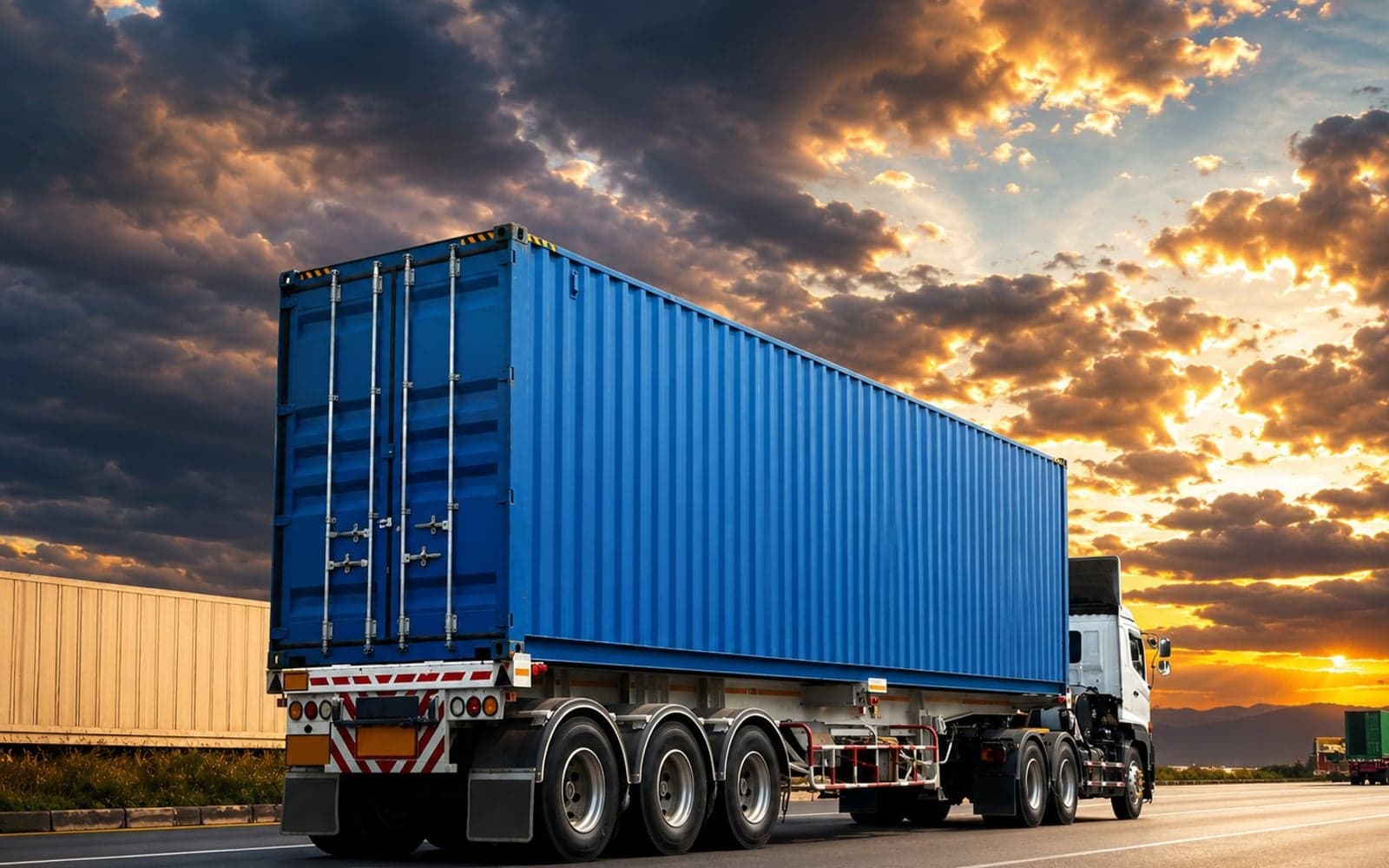
Drayage is the short-distance trucking that moves a shipping container between a port or rail terminal and a nearby destination — another facility, a warehouse, or a transfer point. It's the connective tissue of containerized freight: the leg that links the ocean or rail move to everything that happens on the ground.
The short answer
When a container comes off a vessel, it can't teleport to your dock. A truck has to pick it up at the terminal and haul it somewhere — to a warehouse, a transload facility, or a rail ramp. That short, specialized move is drayage. It's usually measured in miles, not hundreds of miles, but it's one of the most failure-prone steps in the whole supply chain because it depends on appointments, chassis, and terminal timing all lining up.
Types of drayage
Not all drayage is the same. The common categories include:
- Port drayage — moving a container from the marine terminal to a nearby inland point.
- Rail ramp drayage — connecting an intermodal rail move to its origin or destination by truck.
- Door delivery — taking the container the last stretch to the consignee's facility.
- Shuttle or inter-carrier drayage — repositioning containers between terminals or yards.
A single shipment can involve several of these. An import might use port drayage to a transload facility, then domestic trucking onward; an export might use door pickup, then drayage to the terminal.
What affects drayage cost?
We don't quote prices on a general guide like this — every lane is different — but it helps to know the factors that move the number:
- Distance between the terminal and the destination.
- Chassis availability and who provides it (the wheeled frame the container rides on).
- Wait time and detention at the terminal or the delivery site.
- Container size and weight, which can trigger special permits or routing.
- Appointment and terminal congestion — busy ports mean tighter windows.
- Accessorials — pre-pulls, drop-and-hook vs. live unload, yard storage, and similar.
The biggest hidden cost is usually time. A container that misses its free window starts accruing demurrage and detention, so scheduling drayage tightly around customs release is where a good forwarder earns its keep.
Live load, drop, and pre-pull
You'll hear these terms a lot:
- Live load/unload — the truck waits while the container is loaded or unloaded, then leaves with it (or with the empty).
- Drop-and-hook — the driver drops the container and leaves, picking it up later. Less driver wait time, but you need a chassis and yard space.
- Pre-pull — pulling the container from the terminal before the delivery appointment to beat congestion or a closing free-time window, then staging it.
Choosing the right approach depends on your facility, your volume, and how tight the free time is.
How Conveyco handles drayage
Conveyco coordinates container drayage and over-the-road trucking across the United States — nationwide — including port and rail-ramp pickup and delivery. We handle carrier selection and dispatch, chassis provisioning, appointment scheduling, and the choice between live, drop, and pre-pull moves.
Because we also coordinate the ocean freight, customs clearance (through a licensed customs broker partner), and any transloading, drayage gets scheduled against the rest of the move — not booked blind. You also get real-time container tracking pulled directly from carriers, plus a customer portal for documents and status.
Bottom line
Drayage is short in distance but outsized in impact. Get it right and your container flows from vessel to dock without drama; get it wrong and charges pile up while equipment sits. If you've got containers to move off a port or rail ramp, request a quote and we'll route the drayage cleanly.