
FREIGHT SURCHARGES
Peak Season Surcharge (PSS)
Demand pricing, on a calendar. When more cargo chases the same vessel space, a PSS appears — and for agricultural shippers, one of those windows is harvest.
THE MECHANISM
Straightforward demand pricing
A PSS isn’t a cost pass-through like fuel or war risk: it’s a price for scarcity. When a lane’s demand runs ahead of its capacity for a season, carriers add a peak season surcharge for the duration of the squeeze. When demand normalizes, it comes off — it’s the most honestly temporary charge on the invoice.
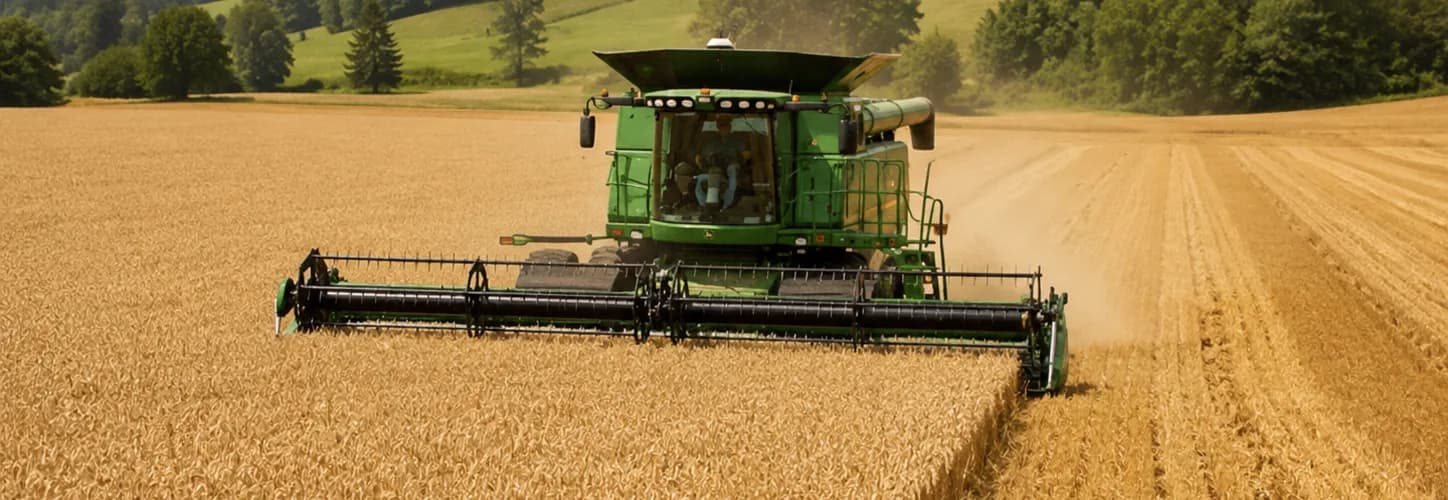
Typical windows: the late-summer-into-fall retail push toward year-end holidays; the weeks before Lunar New Year, when Asian factories work ahead of the shutdown; and — the one that matters most to much of our customer base — harvest season. When U.S. agricultural exports move after harvest, demand for equipment and vessel space out of ag gateways climbs together, and export PSS windows follow. If you ship ag products, your peak isn’t retail’s peak — plan on your own calendar, not the headlines’.
PLANNING
Working around a PSS window
Book earlier, not just cheaper. In a PSS window the constraint is space, not only price — the surcharge is the symptom of sailings filling up. Booking further ahead matters more in-window than out.
Move what can move early.Freight with flexible timing shipped before the window opens skips both the surcharge and the space squeeze. For harvest-driven cargo that can’t move early, locking bookings and equipment ahead of the rush is the substitute.
Steady volume belongs on contract. Contract terms can cap or exclude PSS; spot shippers absorb it in full. And expect stacking: a GRI announced into a peak window tends to stick, because the same demand supports both.
Related: current market conditions (including this quarter’s active windows) · ocean freight services · the Surcharge Decoder · the full surcharge walkthrough.
Shipping into a peak window?
Tell us your cargo-ready dates and we'll plan the bookings — space, equipment, and an all-in rate with the seasonal charges shown up front.